
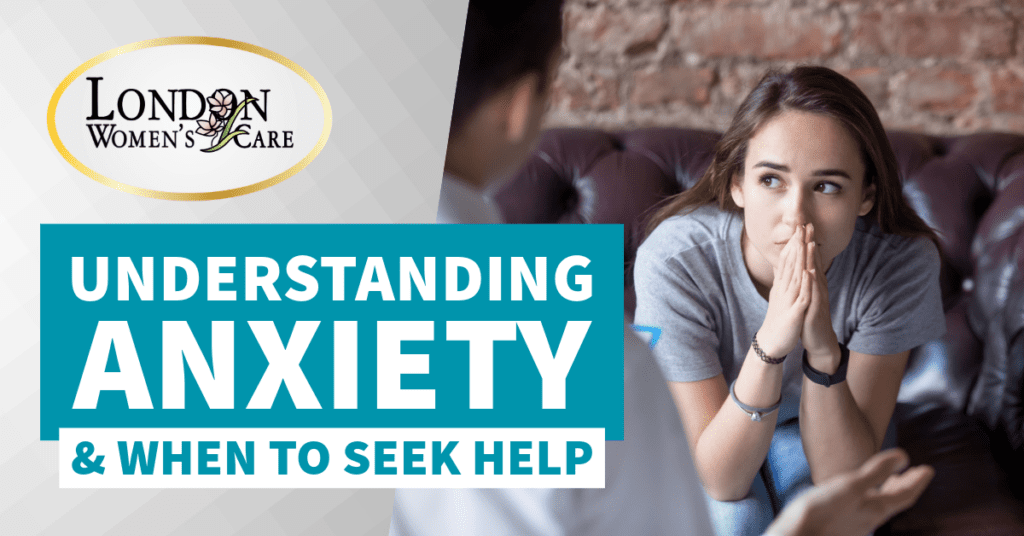
Anxiety is a natural response to stress that everyone experiences from time to time. Whether it’s a job interview, a big test, or an important decision, feeling anxious is a normal part of life. However, when feelings of worry or fear become overwhelming, persistent, or interfere with daily activities, it may be a sign of an anxiety disorder.
Understanding anxiety—its symptoms, causes, and when to seek help—is the first step toward managing it effectively and reclaiming your peace of mind.
What Are the Symptoms of Anxiety?
Anxiety can manifest in various ways, and the symptoms may be different for everyone. It often affects both the mind and body. Common symptoms of anxiety include:
- Emotional Symptoms:
- Constant worry or fear
- Feeling restless, tense, or on edge
- Irritability or frustration
- Difficulty concentrating or staying focused
- Physical Symptoms:
- Rapid heartbeat or chest pain
- Shortness of breath or hyperventilation
- Sweating or shaking
- Fatigue or trouble sleeping
- Stomach issues, such as nausea or digestive problems
- Muscle tension or headaches
While occasional anxiety is normal, experiencing these symptoms regularly or intensely may indicate an anxiety disorder.
What Causes Anxiety?
Anxiety doesn’t have a single cause. Instead, it’s often the result of a combination of factors. Some common causes and triggers include:
- Stressful Life Events: Major changes, such as starting a new job, moving, or losing a loved one, can contribute to anxiety.
- Genetics: A family history of anxiety or other mental health conditions may increase your risk.
- Brain Chemistry: Imbalances in brain chemicals that regulate mood and emotions can play a role in anxiety.
- Health Conditions: Certain medical conditions, like heart disease, asthma, or thyroid issues, can mimic or trigger anxiety symptoms.
- Substance Use: Excessive use of caffeine, alcohol, or recreational drugs can worsen anxiety or trigger symptoms.
- Trauma: Past experiences, such as abuse, neglect, or witnessing a traumatic event, can lead to chronic anxiety.
Understanding your triggers and the factors contributing to your anxiety is an important part of finding effective ways to manage it.
Types of Anxiety Disorders
Anxiety is a broad term that includes several specific disorders. Some of the most common types of anxiety disorders include:
- Generalized Anxiety Disorder (GAD): Persistent and excessive worry about various aspects of life, such as work, health, or relationships.
- Panic Disorder: Sudden and recurring panic attacks, often accompanied by intense physical symptoms like chest pain and shortness of breath.
- Social Anxiety Disorder: Fear of social situations, such as speaking in public, meeting new people, or being judged.
- Phobias: Intense fear of specific objects, situations, or activities (e.g., heights, flying, or spiders).
- Obsessive-Compulsive Disorder (OCD): Repeated, intrusive thoughts (obsessions) and behaviors (compulsions) performed to reduce anxiety.
- Post-Traumatic Stress Disorder (PTSD): Anxiety and flashbacks following a traumatic event.
Each type of anxiety disorder requires a unique approach to treatment, so seeking professional help is essential for an accurate diagnosis and tailored care plan.
When Should You Seek Help for Anxiety?
It’s important to seek help if anxiety begins to interfere with your daily life. Consider reaching out to a behavioral health provider if:
- You experience anxiety symptoms most days and feel they’re hard to control.
- Your anxiety affects your ability to work, attend school, or maintain relationships.
- You avoid certain situations or activities out of fear or worry.
- Physical symptoms like chest pain, fatigue, or sleep issues become chronic or severe.
- You feel overwhelmed, hopeless, or unable to cope with stress.
Remember, seeking help is a sign of strength, not weakness. With the right support, anxiety is treatable, and you can regain control of your life.
How Behavioral Health Services Can Help
If you’re struggling with anxiety, behavioral health services can provide the tools and support you need. At LWC, our Behavioral Health team offers:
- Counseling and Therapy: Evidence-based approaches, such as cognitive-behavioral therapy (CBT), to help you identify and change negative thought patterns.
- Medication Management: Safe and effective medication options to reduce anxiety symptoms and improve daily functioning.
- Stress-Management Techniques: Strategies to help you relax, build resilience, and reduce the impact of anxiety on your life.
- Personalized Care Plans: A comprehensive approach tailored to your unique needs and goals.
Our compassionate providers are here to guide you through every step of your mental health journey.
Take the First Step Toward Relief
Anxiety can feel overwhelming, but it’s important to remember that you don’t have to face it alone. Seeking help is the first step toward relief and a healthier, more balanced life. At London Women’s Care, we’re committed to supporting your mental health and overall well-being.
If you or a loved one is struggling with anxiety, contact us today to schedule an appointment with our Behavioral Health team. Together, we can help you find peace of mind and the tools you need to thrive.